

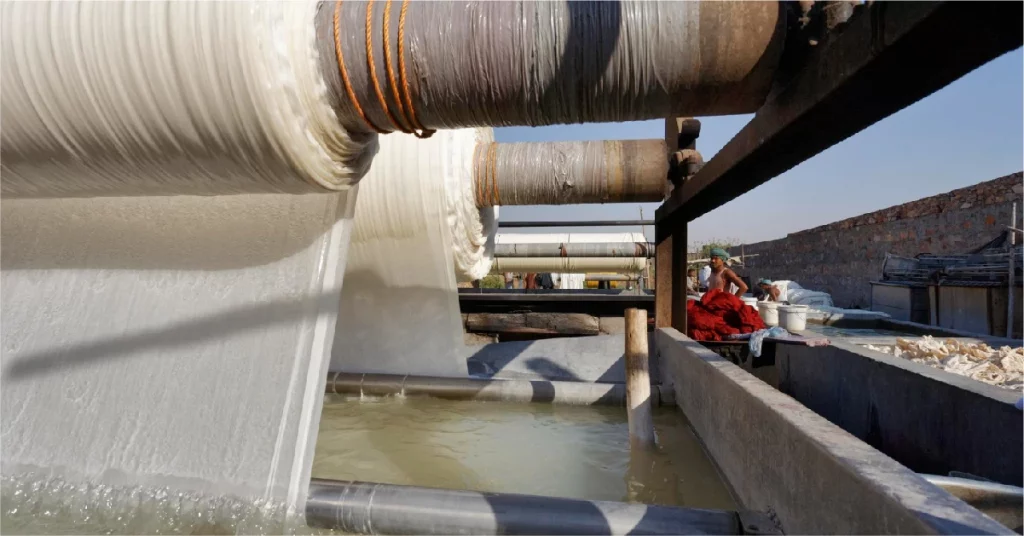
Indonesia’s pulp and paper sector is among the largest in Asia, supplying paper, packaging materials, and pulp products to global markets. However, pulp and paper manufacturing requires significant volumes of water for pulping, bleaching, washing, and paper formation processes. Efficient Water Treatment and sustainable Water Management practices are therefore critical for maintaining production efficiency while protecting the environment.
With stricter environmental regulations and growing concerns about water scarcity, industries in Indonesia are increasingly adopting advanced waste treatment technologies and modern industrial wastewater management systems to optimize water usage and reduce environmental impact.
Water Challenges in the Pulp & Paper Sector
Paper manufacturing generates complex wastewater streams containing fibers, organic compounds, chemicals, and suspended solids. Without proper treatment, these effluents can cause severe environmental pollution and regulatory issues.
Key water-related challenges faced by the pulp and paper industry include:
- High water consumption across multiple production stages
- Generation of large volumes of industrial wastewater
- Presence of dissolved organic compounds and color bodies
- Strict environmental discharge regulations
- Need for sustainable water reuse and recycling
Implementing efficient water treatment systems helps address these challenges while improving plant performance.
Importance of Water Treatment in Paper Manufacturing
Reliable water treatment solutions ensure that process water meets quality requirements for pulp production and paper finishing operations.
Key benefits include:
- Consistent water quality for production processes
- Reduced scaling, fouling, and corrosion in equipment
- Improved operational efficiency
- Lower environmental impact
- Compliance with environmental regulations
Advanced treatment technologies enable paper mills to efficiently treat raw water while managing wastewater generated during manufacturing.
Industrial Wastewater Treatment for Paper Mills
The pulp and paper industry produces wastewater containing organic matter, fibers, and process chemicals. Efficient industrial wastewater treatment is necessary to remove contaminants before discharge or reuse.
Typical treatment systems include:
1. Primary Treatment
Primary treatment removes large solids and suspended particles from wastewater.
Common processes include:
- Screening
- Grit removal
- Sedimentation
This stage helps reduce suspended solids and prepares wastewater for further treatment.
2. Biological Treatment
Biological treatment uses microorganisms to break down organic contaminants present in pulp and paper wastewater.
Technologies used include:
- Activated sludge systems
- Aerated lagoons
- Sequencing batch reactors (SBR)
- Membrane bioreactors (MBR)
These processes significantly reduce biological oxygen demand (BOD) and chemical oxygen demand (COD).
3. Advanced Waste Treatment Technologies
After biological treatment, advanced waste treatment technologies help remove dissolved contaminants and improve water quality.
These technologies include:
- Ultrafiltration (UF)
- Reverse osmosis (RO)
- Nanofiltration (NF)
- Ion exchange systems
Modern integrated treatment solutions often combine physicochemical, biological, and membrane processes to maximize water recovery and reduce wastewater discharge.
Water Management Strategies for the Pulp & Paper Sector
Effective Water Management is essential for improving sustainability and reducing operational costs in paper mills.
Key strategies include:
- Water Recycling and Reuse
Treated wastewater can be reused in various stages of paper production, reducing freshwater demand. - Closed-Loop Water Systems
Recycling water within the production cycle helps minimize wastewater generation. - Recovery of Fibers and Chemicals
Advanced treatment systems allow recovery of valuable fibers and process chemicals from wastewater streams. - Energy-Efficient Treatment Technologies
Modern treatment plants use advanced monitoring and automation systems to optimize energy consumption.
Benefits of Optimized Process Water Treatment
By implementing advanced water treatment and management solutions, pulp and paper manufacturers in Indonesia can achieve several operational and environmental benefits:
- Reduced freshwater consumption
- Lower wastewater discharge volumes
- Compliance with environmental regulations
- Improved production efficiency
- Recovery of valuable materials from wastewater
- Reduced operating costs
Efficient water management also helps industries maintain sustainable operations while meeting increasing global demand for paper products.
Our Complete Solutions: Pre-Treatment
PT. Riau Andalan Pulp & Paper (RAPP), Indonesia, is one of the largest pulp mills in the world with a total capacity of 2.8 million tonnes of pulp and 1.15 million tonnes of paper. In 1994, Ion Exchange was awarded a turnkey contract for Pretreatment and Demineralisation. Jaakko Pöyry, Finland were the client’s consultant for the project where we supplied innovative technologies such as cascade aerators, reactivator clarifier, and FilterPak incorporating dual media for a capacity of 18,000 m3/h (4 plants x 4500 m3/h).
In addition, we supplied DCS-controlled chain of demineralization plants with a total capacity of 1890 m3/h (7 x 270 m3/h). This was supplemented by a chain of condensate polishing plants with a capacity of 1800 m3/h (5 x 360 m3/h).
Following the successful performance of our water treatment plants, PT RAPP placed a repeat order in 2019 for additional water treatment plants for their expansion needs. This included two state-of-the-art Ultra High Rate Solids Contact Clarifiers with a total capacity of 11,520 m3/h (2 x 5760 m3/h), demineralisation plants with a capacity of 1350 m3/h (5 chains x 270 m3/h), and condensate polishing plants (1 plant x 360 m3/h). On commissioning of these new streams, the total raw water clarification capacity using advanced clarifier technologies will be 32,000 m3/h, making it one of the largest pre-treatment plants in the world for the paper industry. The combined capacity of the Demineralisation plant will be 3240 m3/h.
Towards Sustainable Growth in Indonesia’s Paper Industry
As Indonesia’s Pulp & Paper Sector continues to expand, sustainable water management will remain a key priority for the industry. By adopting modern water treatment systems, effective industrial wastewater management practices, and advanced waste treatment technologies, paper mills can reduce environmental impact while optimizing production efficiency.
Investing in integrated water management solutions ensures long-term sustainability, regulatory compliance, and improved operational performance for the industry.
FAQs:
1. Why is process water treatment important in pulp and paper manufacturing?
Process water treatment ensures consistent water quality for pulp and paper production while preventing equipment damage, improving efficiency, and meeting environmental regulations.
2. What challenges does the pulp and paper industry face in water management?
The industry faces high water consumption, large volumes of wastewater with organic pollutants, and strict environmental discharge regulations.
3. How do biological treatment systems improve wastewater quality?
Biological treatment uses microorganisms to break down organic pollutants, significantly reducing BOD, COD, and contaminants in wastewater.
4. How can paper mills reuse treated water in production processes?
Paper mills reuse treated wastewater in washing, cooling, and processing operations through recycling systems and closed-loop water management.
5. How did Ion Exchange support PT RAPP with large-scale water treatment solutions in Indonesia?
Ion Exchange implemented large-scale pretreatment, demineralisation, and clarifier systems for PT RAPP, creating one of the world’s largest water treatment facilities for the pulp and paper industry.