

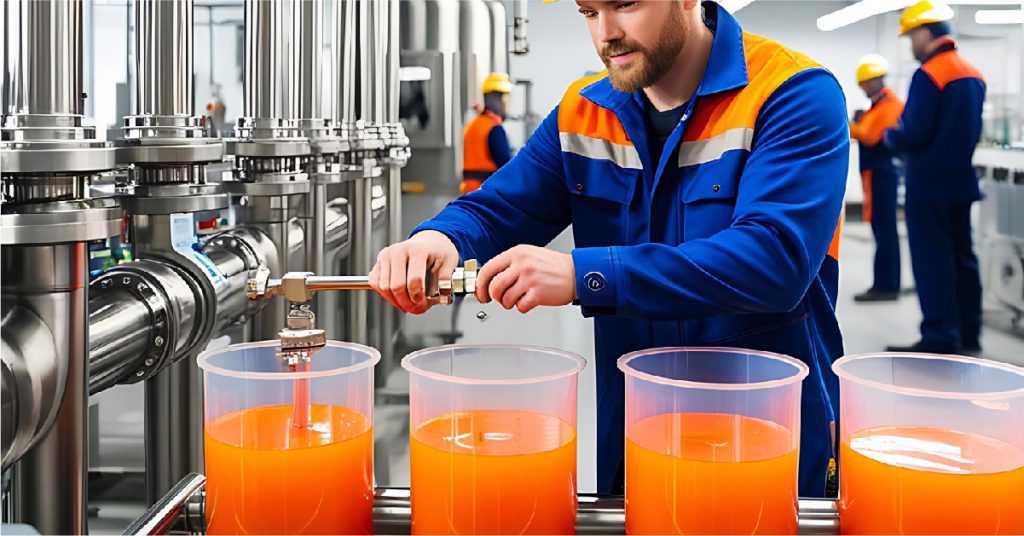
Water is the backbone of Indonesia’s food and beverage industry. From raw material processing and ingredient mixing to cleaning, cooling, and packaging, every stage of production depends on a consistent supply of high-quality water. At the same time, rising water scarcity, stricter environmental regulations, and increasing production costs are pushing manufacturers to rethink how they use and manage this critical resource. This is where modern water management becomes essential—not just for compliance, but for long-term sustainability and competitiveness.
What Is Water Management?
To understand its importance, it is worth clarifying what water management is in an industrial context. It refers to the strategic planning, treatment, distribution, reuse, and monitoring of water throughout a facility to ensure optimal quality, minimal waste, and regulatory compliance. In the food and beverage sector, water management directly affects product safety, process efficiency, and environmental impact.
Rather than treating water as a utility alone, progressive manufacturers in Indonesia are adopting integrated water management systems that control every aspect of water use—from intake and treatment to reuse and discharge.
Water Challenges in Indonesia’s Food & Beverage Industry
Indonesia’s tropical climate, rapid urbanization, and growing industrial base present several challenges for food and beverage producers:
- Inconsistent Source Water Quality – Groundwater and surface water often contain high turbidity, organic matter, iron, salinity, or microbial contamination.
- High Water Consumption – Beverage bottling, dairy processing, breweries, and food processing plants require large volumes of water daily.
- Stringent Quality Standards – Water must meet strict hygiene and safety standards to avoid contamination and product recalls.
- Wastewater Compliance – Effluent rich in organic load, sugars, fats, and cleaning chemicals must be treated before discharge.
- Rising Operating Costs – Increasing water tariffs and wastewater disposal costs impact profitability.
These factors make a robust water management system a strategic necessity for the industry.
Components of an Effective Water Management System
A comprehensive water management approach in food and beverage manufacturing typically includes:
1. Raw Water Treatment
Advanced filtration, softening, membrane systems, and disinfection ensure that incoming water meets quality standards for processing and cleaning.
2. Process Water Optimization
Water used in production is treated to specific quality levels depending on application—whether as an ingredient, for heating/cooling, or for equipment washing.
3. Wastewater Treatment and Reuse
Effluent treatment plants remove organic load, suspended solids, and chemicals. Treated water can be reused for non-potable purposes such as cooling towers, landscaping, or utilities, reducing freshwater consumption.
4. Resource Recovery and Zero Liquid Discharge
Advanced plants recover water and valuable by-products, minimizing discharge and supporting sustainable manufacturing.
5. Monitoring and Automation
Digital tools and smart sensors enable real-time tracking of water quality, flow, and consumption, allowing operators to optimize performance and detect inefficiencies early.
Together, these elements form a holistic water management system that improves reliability, compliance, and cost control.
Ion Exchange’s Expertise in Water Management Projects
Ion Exchange has decades of experience delivering turnkey water management project solutions for the food and beverage industry across Asia, including Indonesia. Our integrated approach covers the entire water lifecycle—from source treatment to reuse and safe discharge.
-
Committed to Nature
Patanjali Ayurved Ltd. is one of India’s largest FMCG companies. Ion Exchange has been entrusted with a project to supply a 62.5 m³/h effluent treatment plant (ETP) for their FMCG manufacturing unit in Guwahati, Assam. This plant will consist of primary, secondary & tertiary treatment and will ensure water recovery for reusing in the process. Premium quality is what matters, and that is what we, at Ion Exchange, deliver.
Why Water Management Matters for Food & Beverage Manufacturers?
Implementing an integrated water management strategy delivers tangible benefits:
- Product Safety and Quality – Consistent water purity protects brand reputation and consumer trust.
- Regulatory Compliance – Meets Indonesian environmental and food safety standards.
- Cost Efficiency – Reduces water intake, energy use, and wastewater disposal costs.
- Sustainability – Supports corporate sustainability goals and responsible resource use.
- Operational Resilience – Ensures uninterrupted production even during water shortages.
Conclusion
In Indonesia’s fast-growing food and beverage sector, water is no longer just a utility—it is a strategic resource. Understanding what water management is and implementing a comprehensive water management system enables manufacturers to improve efficiency, reduce environmental impact, and future-proof their operations.
With Ion Exchange’s proven expertise in delivering integrated water management projects, food and beverage companies can confidently transform their water challenges into opportunities for sustainable growth.