

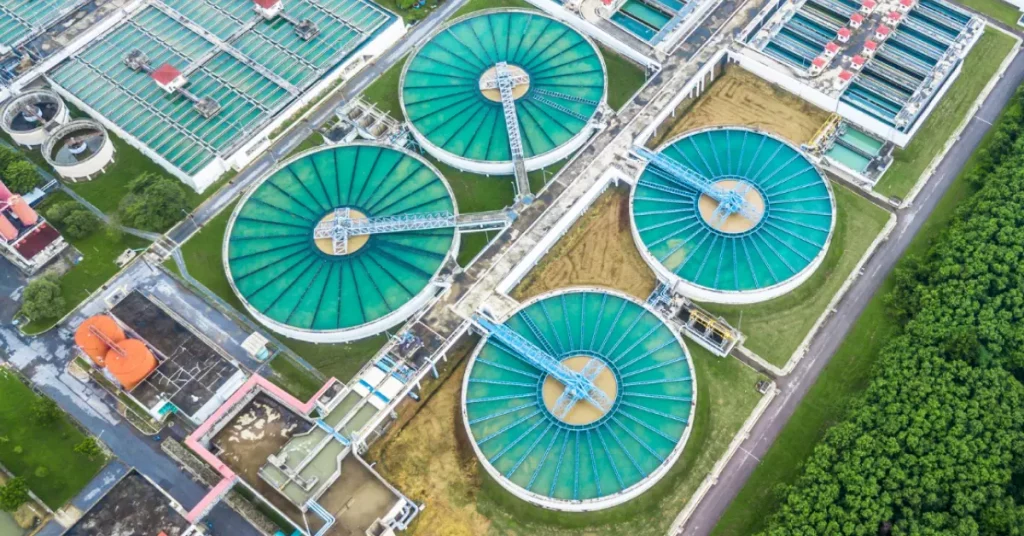
Reliable access to clean and safe water is essential for communities, industries, commercial facilities, and infrastructure development.
In Indonesia, population growth, industrial expansion, urbanisation, and increasing water demand have created a greater need for dependable water management solutions.
Water treatment companies play an important role in ensuring that raw water from rivers, groundwater, and other sources is treated to meet quality requirements for drinking, industrial processes, and commercial applications.
By using advanced filtration, purification, and treatment technologies, water treatment solutions in Indonesia help remove contaminants, improve water quality, and support sustainable water supply systems.
Why Is Water Treatment Important in Indonesia?
Indonesia has significant water resources, but water quality can vary depending on location, source, seasonal conditions, and human activities.
Raw water may contain:
- Suspended solids
- Turbidity
- Microorganisms
- Organic matter
- Dissolved minerals
- Heavy metals
- Industrial pollutants
Without effective treatment, these contaminants can affect public health, industrial operations, and environmental quality.
Reliable water purification companies provide solutions that convert untreated water into safe and usable water through physical, chemical, and membrane-based processes.
What Do Water Treatment Companies Do?
Water treatment companies design, install, and maintain systems that improve water quality for different applications.
Their solutions may include:
- Drinking water treatment
- Industrial water treatment
- Municipal water supply systems
- Wastewater recycling
- Process water treatment
- High-purity water production
The treatment approach depends on the source-water quality and the final application requirement.
A drinking water system may focus on removing microorganisms and contaminants, while an industrial system may require control of dissolved minerals, hardness, conductivity, and specific impurities.
How Do Water Treatment Companies Ensure Safe Water Supply?
1. Analysing Raw Water Quality
The first step in designing an effective water treatment system is understanding the characteristics of the water source.
Water treatment companies analyse parameters such as:
- Turbidity
- pH
- Total dissolved solids
- Hardness
- Microbial content
- Organic contaminants
- Chemical composition
This helps determine the right combination of treatment technologies.
A customised approach ensures that the system addresses actual water quality challenges rather than applying a standard solution.
2. Removing Suspended Solids and Turbidity
Raw water often contains suspended particles such as sand, clay, silt, and organic matter.
Treatment processes such as:
- Screening
- Coagulation
- Flocculation
- Sedimentation
- Filtration
Help remove these impurities.
Removing suspended solids improves water clarity and protects downstream treatment equipment.
3. Using Advanced Water Purification Technologies
Modern water purification companies use multiple technologies depending on the required water quality.
-
Reverse Osmosis
Reverse osmosis removes dissolved salts, minerals, and contaminants using membrane technology.
It is widely used for:
- Drinking water purification
- Industrial process water
- High-purity applications
-
Ultrafiltration
Ultrafiltration removes fine suspended particles, bacteria, and microorganisms while operating at lower pressure compared with RO systems.
-
Ion Exchange
Ion exchange technology removes specific dissolved ions and is commonly used for:
- Water softening
- Demineralisation
- High-purity water production
-
Activated Carbon Filtration
Activated carbon removes organic compounds, chlorine, taste, and odour-causing substances.
4. Supporting Municipal Water Supply Systems
Municipal water supply systems must deliver consistent-quality water to large populations.
Water treatment companies support municipal applications through:
- Raw water treatment plants
- Filtration systems
- Disinfection systems
- Automated monitoring
- Distribution support
Automation and monitoring help operators maintain stable water quality and respond quickly to changing conditions.
5. Providing Industrial Water Treatment Solutions
Industries require water with specific characteristics to maintain production efficiency.
Poor-quality water can cause:
- Scaling
- Corrosion
- Equipment damage
- Reduced process efficiency
- Product quality issues
Industrial water treatment solutions help industries produce water suitable for:
- Boiler feed
- Cooling systems
- Manufacturing processes
- Cleaning applications
- High-purity operations
Industries such as power, pharmaceuticals, food and beverage, chemicals, electronics, and manufacturing require customised treatment systems based on their process needs.
6. Enabling Water Recycling and Reuse
Water scarcity and increasing operational costs have made water reuse an important priority.
Advanced water treatment systems allow industries and facilities to recover and reuse treated water.
Recycled water can be used for:
- Cooling towers
- Cleaning
- Landscaping
- Utilities
- Manufacturing processes
This reduces dependence on freshwater sources and improves overall water efficiency.
Types of Water Treatment Systems Used in Indonesia
-
Drinking Water Treatment Systems
These systems remove contaminants and microorganisms to produce safe water for consumption.
-
Industrial Water Treatment Systems
Industrial systems are designed according to process requirements and may include RO, softening, filtration, and demineralisation.
-
Wastewater Treatment Systems
These systems treat industrial and municipal wastewater before discharge or reuse.
-
High-Purity Water Systems
Industries such as pharmaceuticals, electronics, and power generation require highly controlled water quality for critical processes.
How to Select the Right Water Treatment Company?
Choosing the right partner requires evaluating more than technology availability.
Important factors include:
-
Technical Expertise
Experienced water treatment plant companies understand different water sources, contaminants, and application requirements.
-
Customised Solutions
The treatment system should be designed according to:
- Water source
- Flow requirement
- Required output quality
- Space availability
- Operating conditions
-
Energy and Operating Efficiency
Efficient equipment selection and automation help reduce operating costs while maintaining reliable performance.
-
Installation and Service Support
Long-term performance depends on:
- Commissioning support
- Preventive maintenance
- Spare availability
- Technical assistance
- Operator training
Ion Exchange Water Treatment Solutions in Indonesia
Ion Exchange provides complete water treatment solutions for Indonesia for municipal, industrial, commercial, and infrastructure applications.
Its portfolio includes:
- Drinking water treatment systems
- Industrial water treatment plants
- Reverse osmosis systems
- Ultrafiltration systems
- Demineralisation plants
- Wastewater treatment and recycling solutions
With expertise in engineering, process design, automation, and lifecycle support, Ion Exchange helps industries and communities achieve reliable water quality.
Its integrated solutions support safe water supply, efficient resource utilisation, and sustainable water management across different applications.
Conclusion
Water treatment companies play a critical role in ensuring a safe and reliable water supply in Indonesia.
From municipal water supply systems to industrial applications, advanced treatment technologies help remove contaminants, improve water quality, and support sustainable water management.
Selecting the right water treatment plant company ensures that the system is designed according to actual water requirements, operating conditions, and future needs.
Connect with Ion Exchange experts for customised water purification systems, industrial water treatment solutions, and complete water supply systems designed for reliable and sustainable water management in Indonesia.
FAQs
-
What do water treatment companies do?
Water treatment companies design and provide systems that remove contaminants from raw water and produce safe water for drinking, industrial, and commercial applications.
-
Why are water treatment systems important in Indonesia?
Water treatment systems help address varying water quality, remove contaminants, support safe water supply, and improve water availability for communities and industries.
-
What technologies are used by water treatment companies?
Common technologies include filtration, reverse osmosis, ultrafiltration, activated carbon, ion exchange, and disinfection systems.
-
How do industries use industrial water treatment systems?
Industries use treatment systems to produce process water, boiler feed water, cooling water, and high-purity water required for manufacturing operations.
-
How do I choose the right water treatment company?
The right company should provide customised solutions, technical expertise, efficient technology, installation support, and long-term operation and maintenance services.