

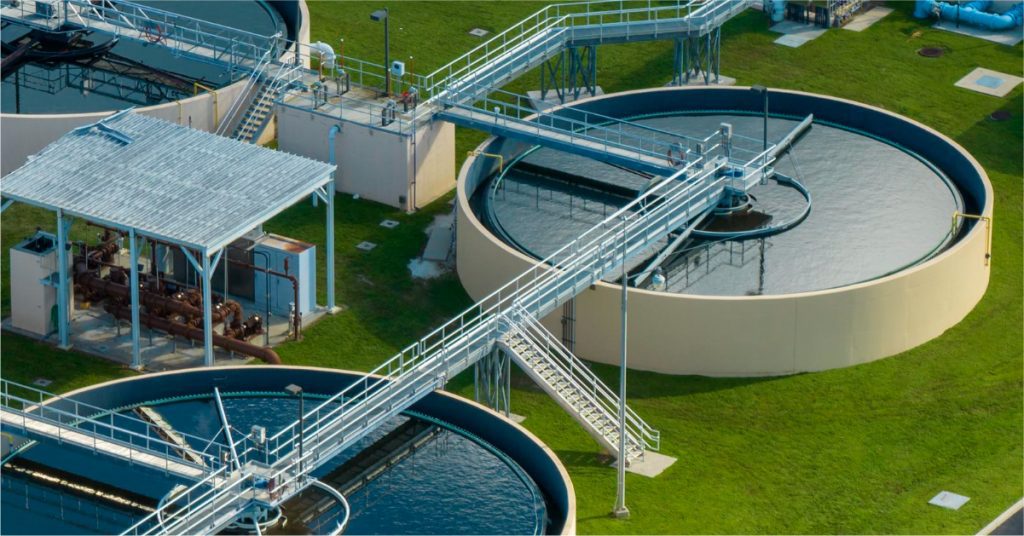
Rapid urbanization, industrial development, and population growth in Indonesia have significantly increased the demand for effective wastewater management. As cities and industries expand, managing sewage responsibly has become essential for protecting public health, conserving water resources, and maintaining environmental sustainability.
A modern sewage treatment plant process is designed to remove contaminants from wastewater before it is safely discharged or reused. Today’s advanced STP process combines biological, physical, and chemical treatment technologies to achieve higher treatment efficiency and support water conservation initiatives.
Understanding how a modern sewage treatment system works can help industries, municipalities, and commercial facilities make informed decisions about wastewater management and sustainability.
Why is SIs Sewage Treatment Important?
Untreated sewage contains:
- Organic pollutants
- Suspended solids
- Nutrients
- Pathogens
- Oils and grease
- Harmful microorganisms
If discharged directly into rivers, lakes, or coastal waters, sewage can cause:
- Water pollution
- Ecosystem damage
- Public health risks
- Groundwater contamination
- Regulatory violations
An efficient sewage water treatment plant helps remove these contaminants while supporting environmental protection and water reuse.
What Is an STP Process?
The STP process refers to the sequence of treatment stages used to remove pollutants from sewage and wastewater.
Modern sewage treatment plants typically include:
- Preliminary Treatment
- Primary Treatment
- Secondary Treatment
- Tertiary Treatment
- Sludge Treatment
Each stage plays an important role in improving water quality and ensuring compliance with environmental standards.
Step 1: Preliminary Treatment
The first stage of the sewage treatment plant process focuses on removing large debris and materials that could damage treatment equipment.
Common processes include:
Screening
Screens remove:
- Plastics
- Cloth
- Paper
- Large floating debris
Grit Removal
Grit chambers remove:
- Sand
- Gravel
- Heavy inorganic particles
This protects pumps and downstream treatment units from wear and damage.
Step 2: Primary Treatment
Primary treatment removes suspended solids that settle naturally from wastewater.
During this stage:
- Wastewater enters sedimentation tanks.
- Heavy solids settle at the bottom.
- Oils and grease float to the surface for removal.
Primary treatment can remove a significant portion of suspended solids and organic matter before biological treatment begins.
Step 3: Secondary Treatment
Secondary treatment is the core stage of the sewage treatment plant working process.
This stage uses microorganisms to break down dissolved and suspended organic pollutants.
Activated Sludge Process
Microorganisms consume organic matter in the presence of oxygen.
Benefits include:
- Reduction of Biological Oxygen Demand (BOD)
- Reduction of Chemical Oxygen Demand (COD)
- Improved water quality
Advanced Biological Technologies
Modern STPs often utilize:
- Moving Bed Biofilm Reactor (MBBR)
- Sequencing Batch Reactor (SBR)
- Membrane Bioreactor (MBR)
These advanced systems improve treatment efficiency while reducing plant footprint.
Step 4: Tertiary Treatment
Tertiary treatment provides additional polishing of treated wastewater.
This stage helps remove:
- Fine suspended particles
- Nutrients
- Remaining contaminants
- Pathogens
Common technologies include:
Filtration
Sand filters and multimedia filters improve water clarity.
Membrane Filtration
Advanced membranes remove fine contaminants and microorganisms.
Disinfection
Disinfection systems eliminate harmful pathogens through:
- Ultraviolet (UV) treatment
- Chlorination
- Ozonation
This ensures the treated water meets discharge or reuse standards.
Step 5: Sludge Treatment and Handling
Throughout the wastewater treatment process, solids accumulate as sludge.
Sludge management typically includes:
- Thickening
- Dewatering
- Stabilization
- Safe disposal or reuse
Efficient sludge treatment reduces disposal volumes and improves overall plant performance.
Advanced Technologies Used in Modern STPs
Modern sewage treatment systems increasingly incorporate advanced technologies to improve efficiency and water reuse.
-
Membrane Bioreactor (MBR)
MBR combines biological treatment with membrane filtration.
Benefits include:
- Superior water quality
- Compact footprint
- High water recovery
-
Moving Bed Biofilm Reactor (MBBR)
MBBR systems use biofilm carriers that increase biological treatment efficiency.
Advantages include:
- Improved treatment performance
- Lower maintenance requirements
- Greater operational flexibility
-
Sequencing Batch Reactor (SBR)
SBR technology performs multiple treatment stages in a single reactor.
Benefits include:
- Reduced footprint
- Efficient nutrient removal
- Consistent treatment quality
Water Reuse Through Modern STP Systems
One of the major advantages of modern sewage treatment plants is their ability to support water recycling and reuse.
Treated wastewater can be reused for:
- Landscape irrigation
- Cooling systems
- Industrial processes
- Toilet flushing
- Construction activities
Water reuse reduces freshwater consumption and supports sustainable water management.
Benefits of Modern Sewage Treatment Plants
-
Environmental Protection
Treatment systems prevent contamination of rivers, lakes, and groundwater resources.
-
Regulatory Compliance
STPs help organizations comply with wastewater discharge regulations.
-
Water Conservation
Treated wastewater can be recycled and reused.
-
Improved Public Health
Pathogen removal reduces health risks associated with wastewater discharge.
-
Sustainable Development
Efficient wastewater treatment supports long-term environmental sustainability.
Sewage Treatment Challenges in Indonesia
As Indonesia continues to urbanize, wastewater management remains a growing priority.
Key challenges include:
- Increasing sewage generation
- Limited treatment infrastructure
- Growing environmental regulations
- Water scarcity concerns in some regions
Modern STP technologies help address these challenges by improving treatment efficiency and enabling water reuse.
Ion Exchange Solutions for Sewage Treatment
Ion Exchange offers advanced sewage treatment and wastewater management solutions for municipal and urban communities as well as industrial applications.
Its capabilities include:
- Sewage treatment plants
- MBR-based treatment systems
- MBBR technologies
- SBR treatment systems
- Water recycling solutions
- Integrated wastewater treatment projects
- Operation and maintenance services
These solutions help organizations improve wastewater treatment efficiency while supporting sustainability and compliance objectives.
Conclusion
The modern sewage treatment plant process is a sophisticated system designed to protect public health, conserve water resources, and prevent environmental pollution. Through multiple stages of physical, biological, and advanced treatment, modern STPs transform wastewater into a valuable resource suitable for safe discharge or reuse.
As Indonesia continues to invest in sustainable infrastructure, advanced sewage treatment systems will play an increasingly important role in supporting water security, environmental protection, and long-term development.
Connect with Ion Exchange experts to explore advanced sewage treatment plant solutions designed to improve wastewater management, water reuse, and operational efficiency.
FAQs
-
What is the sewage treatment plant process?
The sewage treatment plant process involves preliminary, primary, secondary, tertiary, and sludge treatment stages that remove contaminants from wastewater before discharge or reuse.
-
How does an STP process work?
An STP process removes solids, organic matter, nutrients, and pathogens through physical, biological, and advanced treatment technologies.
-
What is the purpose of secondary treatment in sewage treatment?
Secondary treatment uses microorganisms to break down organic pollutants and significantly improve wastewater quality.
-
Can treated sewage water be reused?
Yes. Treated sewage water can be reused for irrigation, cooling systems, industrial processes, flushing, and other non-potable applications.
-
How does Ion Exchange support sewage treatment projects?
Ion Exchange provides advanced sewage treatment plants, wastewater recycling systems, MBR, MBBR, SBR technologies, and integrated water management solutions for municipal and industrial applications.